Everything You Need to Know About Hernia Surgery
A hernia can sound like a small problem at first, but anyone who’s had one knows how uncomfortable and limiting it can be. Whether it’s a dull ache in your abdomen, a visible bulge, or pain that worsens when you cough or lift something, a hernia can interfere with daily life. Surgery is often the only lasting solution, and the good news is that modern hernia repair is safer and more effective than ever. These days, advances in surgical methods mean less pain, smaller scars, and quicker recovery. Many people even go home the same day. With the right treatment and care, most regain full strength without long-term restrictions.
What Is a Hernia?
A hernia happens when an internal part of your body pushes through a weak spot in the surrounding muscle or tissue wall. The most common types are:
- Inguinal hernia: Found in the groin. This is the most frequent type, particularly in men.
- Umbilical hernia: Occurs near the belly button.
- Hiatal hernia: Part of the stomach moves up into the chest area.
- Incisional hernia: Appears at the site of a previous surgical scar.
- Femoral hernia: Found lower in the groin or upper thigh, more common in women.
Hernias can develop from repeated strain, heavy lifting, chronic coughing, obesity, or even after surgery when the muscles haven’t fully healed. In some cases, they appear suddenly after a single strain, while in others they grow slowly over time. Early detection helps prevent complications and makes treatment simpler.
When Is Surgery Needed?
Some hernias can be managed for a while if they’re small and painless. But surgery becomes necessary if:
- The hernia causes ongoing discomfort or pain.
- It’s getting larger over time.
- There’s a risk of strangulation (when the tissue inside the hernia gets trapped and loses blood supply).
A strangulated hernia is a medical emergency and needs immediate treatment. It can lead to severe pain, nausea, or vomiting, and delaying treatment can be dangerous. Even if your hernia isn’t causing much trouble, getting it checked early can prevent an urgent situation later.
Types of Hernia Surgery
There are two main surgical approaches: open surgery and laparoscopic (keyhole) surgery.
Open surgery:
In this method, the surgeon makes a single incision near the hernia, pushes the bulging tissue back into place, and repairs the weakened area, often with a mesh patch for reinforcement. This approach is reliable and widely used, especially for larger or complex hernias. Recovery may take a little longer, but results are typically long-lasting.
Laparoscopic surgery:
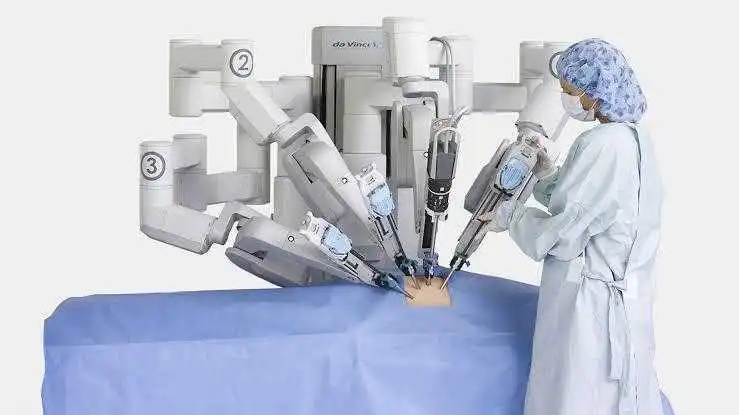
This is a less invasive technique that uses several small cuts instead of one large one. A tiny camera and special instruments are used to repair the hernia from inside. The mesh may also be used for added support. Many people prefer this option because it often means less post-operative pain and a faster return to daily life.
The choice between the two depends on the hernia’s size, location, and your overall health. Laparoscopic surgery tends to have faster recovery and smaller scars, but it may not be suitable for all types of hernias. Your surgeon will discuss which method gives you the best outcome.
What to Expect Before Surgery
Before the procedure, your doctor will likely order some tests to check your fitness for surgery. You’ll be advised to stop eating or drinking a few hours before the operation and to avoid certain medications that could increase bleeding. Most hernia surgeries are done under general anesthesia, though smaller ones may use local or spinal anesthesia.
You might also be asked about any past surgeries, allergies, or existing health issues. It’s normal to feel a little nervous, but understanding the process helps ease anxiety. The hospital team will explain each step so you know what to expect on the day of surgery.
Recovery After Hernia Surgery
Recovery time depends on the type of surgery.
- After open surgery: Most people can return to light activities within two to three weeks but should avoid heavy lifting for at least six weeks.
- After laparoscopic surgery: Many are back to normal routines in about one to two weeks.
You might feel mild soreness, tightness, or swelling near the incision site, but these usually improve quickly. Pain relief medications and gentle movement can help speed recovery. Following your surgeon’s advice is key—doing too much too soon can cause complications. Rest well, eat nutritious meals, and walk a little each day to improve circulation and healing.
Possible Risks
As with any operation, hernia surgery carries some risks, though they’re uncommon. These may include:
- Infection at the incision site
- Bleeding or bruising
- Recurrence of the hernia
- Pain or numbness near the repaired area
- Reactions to anesthesia
Most of these issues are rare and manageable with proper care. You’ll receive clear instructions on wound care and signs to watch for. If you notice unusual swelling, redness, or fever, contact your doctor right away.
Life After Hernia Surgery
Most people feel much better once they’ve healed. You’ll likely notice that everyday activities, such as bending, lifting, and exercising, feel more comfortable. Maintaining a healthy weight, eating a fiber-rich diet to avoid constipation, and using proper lifting techniques can help prevent another hernia in the future.
You can slowly return to regular workouts once your doctor approves. Staying active helps rebuild strength and supports long-term health. Think of the recovery period as an opportunity to reset your habits and protect your body from future strain.
Conclusion
Hernia surgery is one of the most common and successful surgical procedures worldwide. Whether done through an open or laparoscopic method, it offers lasting relief and helps you get back to your normal life. If you suspect you have a hernia, don’t ignore it—getting medical advice early can prevent complications and make treatment easier.
With the right guidance and a skilled surgeon, recovery is usually smooth. Many people go on to live active, pain-free lives without any further problems.
FAQs
1. Is hernia surgery painful?
You may feel some discomfort after the operation, but pain is usually mild and well managed with medication. Most people find it much easier than they expected.
2. How long does the surgery take?
Most hernia repairs take about 30 minutes to 1 hour, depending on the type and complexity. You’ll likely go home the same day.
3. Will the hernia come back after surgery?
Recurrence is rare, especially when a mesh is used. Following your surgeon’s advice about rest and lifting restrictions helps reduce the risk.
4. Can I drive after hernia surgery?
You can usually drive again within a week or two, as long as you can move comfortably and are no longer taking strong painkillers.
5. When can I start exercising again?
Light walking is encouraged soon after surgery, but heavy exercise or lifting should wait until your doctor gives you the go-ahead, usually after 4–6 weeks.